
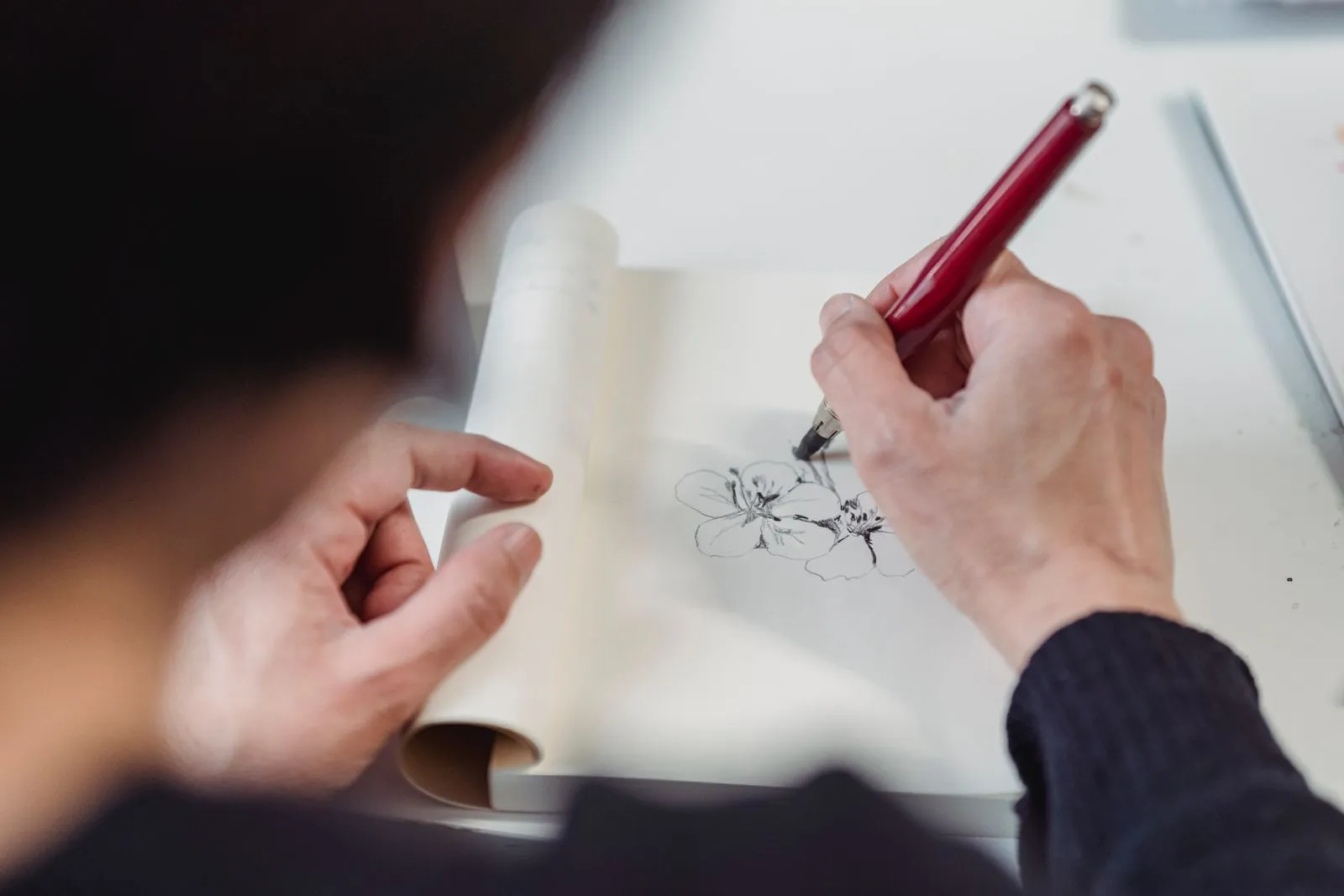
A thoughtful request gives an illustrator a clear starting point and helps you decide whether the project is a good fit. You do not need to know art terminology or have every detail settled. Share what you want depicted, what you like visually, where the finished work will appear, and when you need it. A few specific details can prevent misunderstandings and make the conversation smoother from the first message through final delivery.
Describe the Plant or Subject
Name the plant as precisely as you can, including common and scientific names if known. Note the specific variety, season, or growth stage you have in mind. For example, say whether you want a flowering branch, a fruiting stem, a single leaf, or the whole plant. If you are unsure of the identification, say so and share what you know rather than guessing.
Include clear reference photos when possible. Images should show the features that matter, such as leaf shape, flower structure, color, or the angle you want illustrated. If the subject has personal meaning, explain that briefly. You can also mention which details must be accurate and which parts the artist may interpret creatively.
Share Your Style Preferences
Describe the qualities you want the artwork to have: delicate or bold lines, realistic or stylized forms, a limited palette or vivid color, a simple composition or a detailed study. Reference images can help, especially when you explain what you like about each one. Point to a particular line quality, color mood, or arrangement instead of asking an illustrator to copy another artist’s work.
Tell the illustrator what you would like to avoid, too. You might prefer a clean background, minimal ornament, or no lettering. If you do not have firm preferences, share the setting or feeling you want the piece to evoke and invite suggestions. Clear direction supports collaboration without requiring you to design the artwork yourself.
Explain How You’ll Use It
State where the illustration will appear: for personal display, a website, packaging, stationery, a book, or another purpose. Mention whether you plan to print it, publish it online, sell products featuring it, or use it in more than one place. The intended use can affect the file format, size, color setup, and permission terms, so it is best to discuss this before work begins.
Share practical production details if you have them, such as the finished dimensions, background requirements, or printer specifications. Ask what files the illustrator will provide and what uses are included in the agreement. If your plans may expand later, bring that up early so both sides can clarify any additional permissions before the illustration is finished.
Set a Realistic Timeline
Give the date you need the final artwork and explain what is driving it, such as a print deadline, event, or product launch. If the date is flexible, say so. Ask whether the illustrator is available and how the process works, including reference review, sketches, revision rounds, approval, and delivery. A clear schedule leaves room for feedback and avoids relying on a last-minute rush.
Before confirming, agree on the scope, deliverables, revision process, payment terms, and communication method in writing. Send all essential references together and appoint one person to gather feedback if others are involved. Prairie Petal Studio can discuss custom botanical artwork with you; a well-prepared brief makes that first conversation more productive.
A strong commission request combines accurate subject details, visual guidance, a clear use plan, and an honest deadline. You can start with a short note and add information as the project develops, as long as key requirements are clear before the work begins. Gather your references and outline your goals, then reach out to discuss whether the illustration is a good fit.