
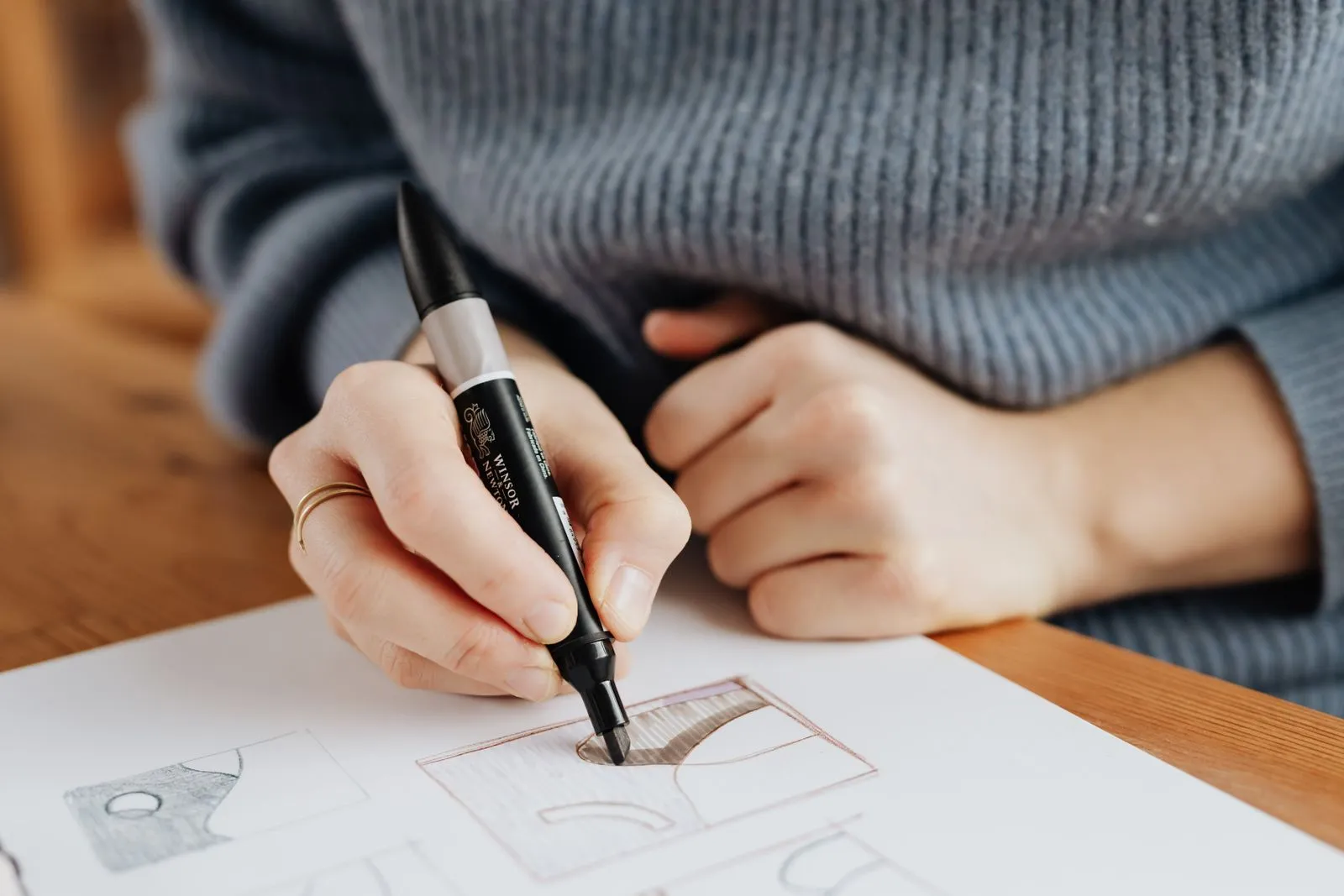
Botanical illustration and botanical photography both help us notice plants more closely, but they do it in different ways. A photograph records a particular plant in a particular moment, including its natural setting and imperfections. An illustration can emphasize selected features, clarify structure, or combine details into a considered composition. The best choice depends on what you want the image to communicate, where it will appear, and whether accuracy, atmosphere, or artistic interpretation matters most.
How Each Medium Shows Detail
Photography captures visible details directly from a plant, such as the texture of a leaf, the curve of a stem, or the color of a bloom in a certain light. A close-up can reveal surface patterns, while a wider view can show how the plant grows among other plants. Results depend on lighting, focus, camera angle, and the plant’s condition when photographed.
Illustration lets an artist choose which details to make most visible. A drawing can separate overlapping leaves, show a flower from a useful angle, or present several parts together for comparison. Fine lines and carefully observed color can make structures easier to study. The image still reflects the plant, but the artist controls how the viewer encounters it.
Mood, Accuracy, and Interpretation
A photograph often feels immediate and grounded in a real place. It can preserve a fleeting moment, such as morning light on petals or a seed head moving in the wind. That natural context can give a project a sense of season and atmosphere, though shadows and background elements may distract from the plant itself.
An illustration can feel more personal, decorative, or instructional depending on its style. It can simplify a busy scene or highlight features that matter to the project. For scientific or identification uses, accuracy requires careful observation and reliable references; an artistic style should not obscure important characteristics. Illustration is interpretive, but it can still be precise.
Choosing for Your Project
Start by deciding what the image needs to do. Choose photography when you want to show a plant as it appeared in a real setting, document a specific specimen, or convey natural light and surroundings. Choose illustration when you want a custom composition, a focus on selected plant features, or an image that can coordinate with a particular visual style.
Consider where the image will be used and how it will be viewed. A small label may need clear, simplified shapes; a large print can reward close attention to fine detail. For a personal gift, think about whether the recipient would value a faithful record of a meaningful plant or an artist’s interpretation of it. Share intended size, format, and reference images before commissioning either medium.
You can also use both. A photograph can serve as a reference for an illustration, or images from both mediums can work together in a publication or display. If the plant is seasonal or difficult to access, gather reference photos while it is available and note identifying features, colors, and scale. These details help keep the final result connected to the real specimen.
Neither medium is automatically better: photography records a moment, while illustration shapes attention. Choose according to the details, mood, and purpose your project calls for, and explain those priorities clearly before work begins. If you are exploring a custom botanical image, Prairie Petal Studio can help you consider an illustration approach that fits your idea.